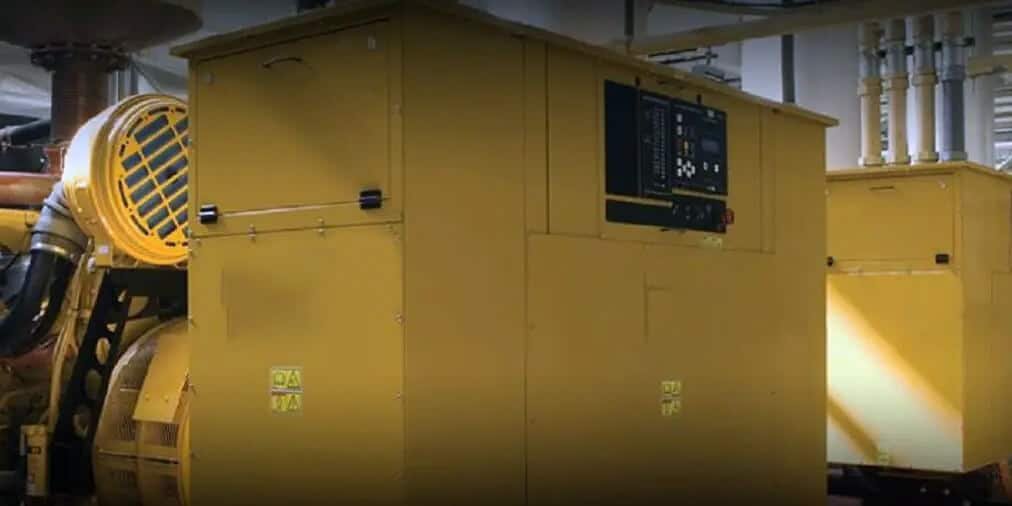
When the grid goes dark or a remote job site needs reliable power, a diesel generator often steps in as the unsung hero. But what exactly makes these machines tick? Truly understanding diesel generator technology & components isn't just for mechanics; it empowers you to make smarter choices, ensure optimal performance, and even troubleshoot minor hiccups. Think of it as peeling back the layers of a complex, yet incredibly dependable, power solution.
At a Glance: What You'll Learn About Diesel Generators
- Core Purpose: How they convert fuel into stable, uninterrupted electricity for various needs.
- Key Anatomy: The primary parts like the engine, alternator, and fuel system that form its backbone.
- System Synergy: How all these individual components work together seamlessly.
- Essential Upkeep: Simple yet critical maintenance tips to extend generator lifespan and prevent costly breakdowns.
- Smart Selection: Factors to weigh when choosing the right generator for your specific power demands.
- Renting Advantages: When and why renting a diesel generator might be your best bet.
- Basic Troubleshooting: Quick checks for common issues before calling in the pros.
The Indispensable Role of Diesel Generators in a Modern World
In an age where uninterrupted power is less a luxury and more a fundamental requirement, diesel generators stand out as robust, reliable workhorses. From powering critical infrastructure during emergencies to providing consistent energy on construction sites or in remote areas, their ability to deliver stable, efficient energy with minimal downtime is unmatched. They bridge the gap between unexpected outages and continuous operation, proving indispensable for both short-term needs and long-term industrial applications. Their durability and fuel efficiency, especially under heavy loads, make them a go-to solution for ensuring productivity and safety when the primary power source falters.
Peeling Back the Layers: Decoding Diesel Generator Components
At its heart, a diesel generator is a marvel of engineering, a symbiotic collection of systems designed to achieve one critical task: generating electricity. Each component plays a vital role, working in concert to convert fuel into usable power. Let's break down these essential pieces and explore their individual functions.
The Engine: The Powerhouse of Mechanical Energy
Think of the engine as the generator's muscle. It's the core component responsible for initiating the entire power generation process. When diesel fuel is introduced and ignited through combustion, the engine converts this chemical energy into raw mechanical energy. This mechanical energy manifests as the rotation of a crankshaft, which in turn drives the alternator. Modern diesel engines are renowned for their robust construction, impressive torque output, and fuel efficiency, particularly under varying load conditions, making them ideal for sustained operation.
The Alternator: Transforming Motion into Electricity
Directly coupled to the engine's crankshaft, the alternator is where the magic of electricity generation happens. This component takes the mechanical energy supplied by the engine and converts it into electrical energy. Inside the alternator, a rotor (a spinning magnet) spins within a stator (a set of stationary coiled wires). This movement induces an electric current in the coils, producing alternating current (AC) electricity. High-quality alternators are designed for stable voltage and frequency output, crucial for protecting connected equipment and ensuring consistent power delivery.
The Fuel System: The Lifeline of Uninterrupted Power
A generator is only as good as its fuel supply. The fuel system is a sophisticated network comprising several critical parts:
- Fuel Tank: Stores the diesel fuel, typically sized to provide several hours or even days of operation.
- Fuel Pump: Draws fuel from the tank and delivers it under pressure to the engine's injection system.
- Fuel Filter: Crucially removes impurities and contaminants from the diesel, preventing damage to the engine and ensuring clean combustion.
- Fuel Injectors: Precisely atomize and spray fuel into the engine's combustion chambers at the correct time and pressure for efficient burning.
This system ensures a consistent, clean, and controlled supply of fuel, directly impacting the generator's reliability and performance. Regular checks here are paramount for avoiding costly operational interruptions.
The Cooling System: Keeping the Heat in Check
Combustion engines generate a tremendous amount of heat, and without effective management, this heat can quickly lead to overheating and catastrophic failure. The cooling system is designed to dissipate this excess heat, maintaining optimal operating temperatures. Its primary components include:
- Radiator: A heat exchanger where coolant (a mixture of water and antifreeze) circulates, releasing heat to the ambient air.
- Fan: Draws cool air through the radiator fins, accelerating the heat dissipation process.
- Water Pump: Circulates the coolant throughout the engine block and radiator.
- Thermostat: Regulates coolant flow to maintain the engine within its ideal temperature range.
A well-maintained cooling system is vital for the longevity and efficiency of the generator, preventing thermal stress on critical engine parts.
The Lubrication System: Reducing Friction, Extending Life
Imagine the thousands of moving parts within an engine grinding against each other without protection. The lubrication system prevents this wear and tear, reducing friction and heat generation. It works by continuously circulating engine oil:
- Oil Sump (Pan): Stores the engine oil.
- Oil Pump: Draws oil from the sump and sends it under pressure through the system.
- Oil Filter: Removes contaminants and metallic particles from the oil, ensuring clean lubrication.
- Oil Cooler (Optional): Helps to maintain the oil at an optimal temperature.
This system creates a protective film between moving components, preventing premature wear, dissipating some heat, and even cleaning internal engine parts by carrying away microscopic debris. Regularly checking and replacing engine oil is one of the simplest yet most effective maintenance tasks for extending a generator's lifespan.
The Exhaust System: Managing Emissions and Noise
The combustion process produces hot, potentially harmful gases. The exhaust system is tasked with collecting these gases, treating them if necessary, and safely expelling them away from the generator and its surroundings. Key elements include:
- Exhaust Manifold: Collects gases from the engine's cylinders.
- Muffler (Silencer): Significantly reduces the noise level produced by the engine's exhaust.
- Exhaust Piping: Directs gases away.
- Emission Control Devices (Modern Systems): Catalytic converters or diesel particulate filters (DPF) are increasingly common to reduce harmful pollutants, ensuring compliance with environmental regulations.
An efficient exhaust system is critical for both environmental responsibility and operational safety, especially when generators are used in confined spaces or populated areas.
The Control Panel: The Brains of the Operation
The control panel serves as the central nervous system of the diesel generator, offering operators complete command and oversight. It typically features:
- Monitoring Gauges/Displays: Provides real-time data on critical parameters such as voltage output, current, frequency, engine temperature, oil pressure, and fuel level.
- Start/Stop Controls: Manual or automatic buttons for initiating and shutting down the generator.
- Safety Shutdowns: Automatically powers down the generator in response to critical faults like low oil pressure, high engine temperature, or over-voltage, preventing damage.
- Load Management: Some advanced panels allow for intelligent management of connected loads, optimizing fuel consumption and efficiency.
The control panel is essential for safe operation, troubleshooting, and ensuring the generator performs within its specified limits.
The Battery and Charging System: Ensuring a Swift Start
Just like your car, a diesel generator needs a kickstart. The battery provides the initial surge of electrical power required to crank the starter motor, which in turn gets the engine spinning and initiates combustion. A separate charging system, often an alternator-mounted rectifier, ensures the battery remains charged during generator operation, ready for the next start-up. A dead battery is a common reason for a generator failing to start, highlighting the importance of its regular inspection.
How These Components Dance Together: A Symphony of Power
Understanding the individual components is one thing; appreciating their coordinated effort is another. The process begins when the battery powers the starter motor, bringing the engine to life. The fuel system then meticulously feeds diesel to the engine, where it combusts, generating mechanical energy. This energy drives the alternator, which then magically converts it into the electrical power you need.
Throughout this process, the cooling system diligently manages heat, preventing the engine from overheating, while the lubrication system ensures all moving parts glide smoothly, minimizing wear. Exhaust gases are safely channeled away, and the control panel constantly monitors every vital sign, ready to intervene if any parameter deviates from the norm. This intricate, synchronized operation is what allows a diesel generator to deliver stable, uninterrupted power, whether it's powering a remote clinic or a bustling construction site. When considering a robust solution, you might want to explore portable diesel electric generators for flexible applications.
Keeping Your Powerhouse Pumping: Essential Maintenance Tips
A diesel generator is an investment that demands consistent care to deliver its full potential and lifespan. Skipping maintenance isn't just risky; it's an open invitation for costly breakdowns. Here's how to keep your generator running smoothly:
Engine Care: The Lifeblood of Your System
The engine is the heart, and its health is paramount.
- Oil Checks & Changes: Regularly check the engine oil level and clarity. Replace the oil and oil filter according to the manufacturer's schedule, typically every 250–300 hours of operation or annually, even with minimal use. Fresh oil reduces friction and protects vital components.
- Air Filter Inspection: Inspect and clean the air filter frequently, especially in dusty environments. A clogged filter chokes the engine, reducing efficiency and performance.
Alternator Integrity: Clean Power Delivery
While generally robust, the alternator still benefits from periodic attention.
- Visual Inspection: Look for any signs of wear on belts, loose connections, or unusual debris accumulation.
- Cleaning: Gently clean the alternator housing and cooling vents to ensure proper airflow and prevent dust buildup that could impede cooling or cause electrical issues.
Fuel System Vigilance: Purity is Power
Fuel quality and supply are non-negotiable for reliable operation.
- Filter Replacement: Replace fuel filters at recommended intervals. Contaminated fuel is a leading cause of generator problems.
- Tank Monitoring: Keep the fuel tank sufficiently full to minimize condensation, which can introduce water into the fuel. Regularly check for water or sediment in the tank, draining as needed. Use fuel stabilizers if the generator will be stored for extended periods.
Cooling System Reliability: Preventing Overheating
A cool engine is a happy engine.
- Coolant Level: Check coolant levels regularly and top up with the correct coolant mixture (water and antifreeze/corrosion inhibitor).
- Radiator Cleaning: Keep the radiator fins clean and free of debris (leaves, dirt, insects) to ensure efficient heat exchange. Inspect hoses for cracks or leaks.
- Fan Belt Tension: Ensure the fan belt is properly tensioned and free from cracks or excessive wear.
Battery Health: Always Ready to Start
A reliable start is crucial, especially in emergencies.
- Voltage Test: Periodically test the battery voltage to ensure it holds a proper charge.
- Terminal Cleaning: Clean battery terminals to remove corrosion, which can prevent proper electrical contact.
- Fluid Levels (if applicable): For flooded lead-acid batteries, check electrolyte levels and top up with distilled water.
- Charger Check: Ensure the battery charging system is functioning correctly to keep the battery topped up.
Professional Inspections: The Smart Investment
Beyond your routine checks, schedule professional inspections and adhere to comprehensive service intervals. Experts can identify subtle issues before they escalate into major, costly repairs. Adhering to manufacturer guidelines, often every 250–300 hours of operation or annually, is a smart way to prevent major issues, optimize performance, and save costs in the long run.
Making the Right Choice: Selecting Your Diesel Generator
Choosing the right diesel generator isn't a one-size-fits-all decision. It requires careful consideration of your specific needs and priorities.
Power Requirements: Calculate Your Needs Accurately
The most critical factor is determining the exact power output (kW or kVA) you need.
- List Your Loads: Identify all appliances, tools, and systems you intend to power.
- Determine Starting & Running Watts: Note both the running wattage and the higher surge (starting) wattage for motor-driven items.
- Add a Buffer: Always add a 10-20% buffer to your calculated total to account for future needs or unexpected demands. Oversizing slightly is often better than undersizing, as it prevents overloading and premature wear.
Component Quality and Reliability: Invest in Longevity
Not all generators are created equal. Focus on models known for high-quality, reliable components, especially the engine and alternator.
- Reputable Brands: Research brands known for durability and readily available spare parts.
- Warranty: Look for comprehensive warranties that cover major components.
- Certifications: Check for industry certifications and compliance with relevant safety and environmental standards.
Project Needs: Temporary, Backup, or Prime Power?
Your application dictates the type and features required.
- Backup Power: For homes or businesses facing occasional outages, a reliable, perhaps automated, standby generator is key.
- Temporary Power: Construction sites, events, or short-term projects might benefit from easily portable, often rental units.
- Prime Power: For remote locations or continuous operations where no grid power is available, robust, heavy-duty generators designed for continuous running hours are essential. Consider factors like fuel tank size, noise levels, and advanced control features.
Flexibility and Savings: The Smart Benefits of Renting Diesel Generators
For many businesses and individuals, purchasing a diesel generator isn't always the most practical or economical choice. Renting offers a compelling alternative with significant advantages.
- Cost Savings: Eliminate the substantial upfront purchase costs, long-term storage expenses, and depreciation. You only pay for the power you need, when you need it.
- Flexibility & Scalability: Easily scale your power up or down based on project phases or changing demand. Renting provides access to a variety of portable generators, allowing you to select the exact model tailored to specific needs without being tied to a single asset. This is invaluable for temporary projects, seasonal work, or emergency backup.
- Maintenance & Support Included: Reputable rental companies typically handle all maintenance, repairs, and even fuel management, freeing up your resources and ensuring the generator is always in top working condition. You benefit from expert support without the operational burden.
- Access to Latest Technology: Rental fleets are often updated with newer, more fuel-efficient, and quieter models, giving you access to cutting-edge technology without the capital investment.
Quick Fixes: Basic Troubleshooting for Common Generator Issues
Even with diligent maintenance, issues can arise. Knowing a few basic troubleshooting steps can often save you time and the cost of a service call.
Generator Won't Start: The Usual Suspects
- Check Fuel Level & Quality: Is there enough diesel? Is the fuel fresh and free of water or contaminants? Old or contaminated fuel is a frequent culprit.
- Inspect the Battery: Is the battery charged? Are the terminals clean and securely connected? A weak or dead battery is a very common reason for a no-start situation.
- Examine the Oil Level: Many generators have a low oil shutdown sensor. Ensure the oil is at the correct level.
- Control Panel Faults: Check the control panel for any active error codes or illuminated fault indicators. Reset any tripped breakers.
Low Power Output or Fluctuating Power
- Overload: Are you trying to power too many devices? Disconnect some loads to see if the generator stabilizes.
- Fuel System Issues: Clogged fuel filters or injectors can reduce engine power.
- Air Filter: A dirty air filter can starve the engine of air, leading to reduced performance.
Overheating Alerts
- Coolant Level: Check the coolant reservoir.
- Radiator Obstruction: Is the radiator clean and free of debris?
- Fan Operation: Is the cooling fan spinning freely?
When to Consult an Expert
While basic checks can resolve many issues, complex problems—such as strange engine noises, persistent fault codes, electrical irregularities, or visible leaks—require the expertise of a qualified technician. Attempting repairs beyond your skill level can lead to further damage or safety hazards. Always prioritize safety and professional help when in doubt.
Your Path to Uninterrupted Power
From the robust engine churning mechanical energy to the sophisticated control panel orchestrating its output, every component of a diesel generator is a testament to reliable power. Understanding these intricate systems not only demystifies the technology but also equips you with the knowledge to make informed decisions—whether you're maintaining your existing unit, choosing a new one, or leveraging the flexibility of rentals.
By prioritizing regular maintenance, making smart selection choices, and knowing when to troubleshoot or call for professional help, you ensure that your diesel generator remains a steadfast source of energy, ready to perform when you need it most. Power interruptions don't have to halt your progress; with the right generator and the right knowledge, you can keep things running smoothly, no matter what.