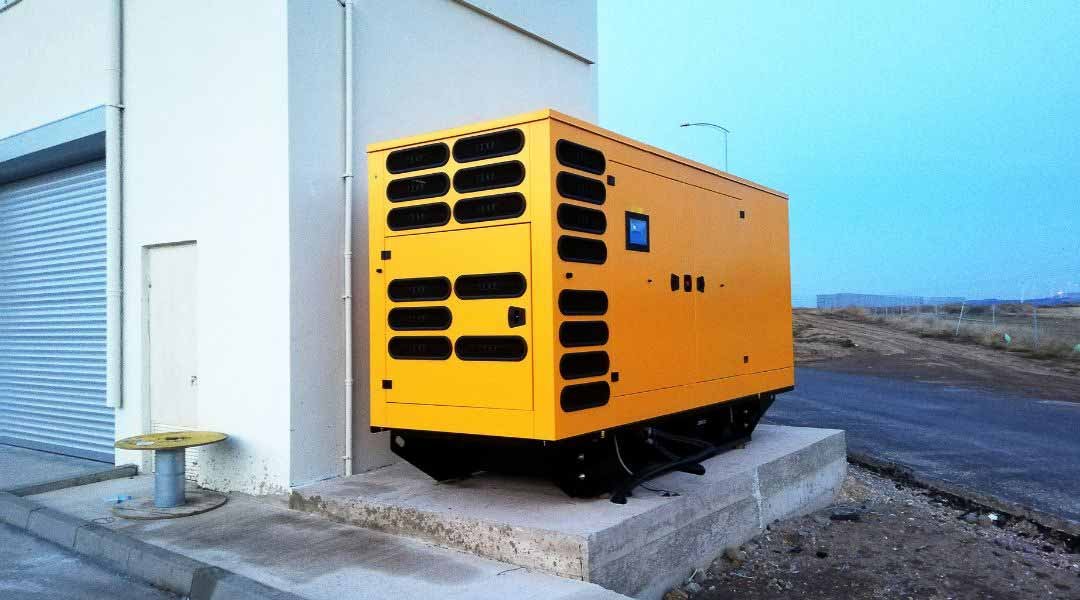
Ensuring your portable diesel generator runs smoothly isn't just about avoiding a headache; it's about guaranteeing reliable power when you need it most. That’s why a robust strategy for Maintenance & Care for Portable Diesel Generators isn't merely a suggestion—it's an essential investment in longevity and peace of mind. Without consistent attention, even the most robust diesel generator can falter, turning a dependable power source into a costly liability.
You wouldn't neglect your car's oil changes and expect it to run forever, right? The same principle applies to your portable diesel generator. These powerful machines are engineered for resilience, but their demanding job requires regular, thoughtful maintenance. When an outage hits or a project needs continuous power, you want your generator ready to roar to life, not sputter into silence.
At a Glance: Key Takeaways for Generator Longevity
- Follow the Manual: Your manufacturer’s guidelines are your bible for service intervals and specifications.
- Routine Checks are Gold: Regular visual inspections and listening for unusual sounds can catch issues early.
- Fluids & Filters First: Engine oil, fuel filters, and air filters are critical to engine health; inspect and replace them on schedule.
- Battery Power Matters: A weak battery is often the silent culprit behind a non-starting generator. Test and maintain it.
- Run It Under Load: Periodically operating your generator for 20-30 minutes with a load prevents common problems like "wet stacking."
- Keep Records & Spares: Documenting maintenance and having essential parts on hand streamlines future care.
- Don't Fear the Pro: Annual professional inspections can detect hidden issues and fine-tune performance.
Why Your Portable Diesel Generator Deserves the Best Care
Think of your portable diesel generator as a heavy-duty workhorse. It's designed to provide substantial power, often in demanding conditions. Neglecting its care won't just lead to inconvenient breakdowns; it can result in expensive repairs, reduced fuel efficiency, and a significantly shortened lifespan. Proactive maintenance preserves your investment, ensures it delivers peak performance, and—most importantly—means you have reliable backup power when emergencies strike.
Proper upkeep directly impacts efficiency. A well-maintained generator burns fuel more cleanly and efficiently, saving you money in the long run. It also reduces the risk of serious engine damage from issues like contaminated fuel, clogged filters, or insufficient lubrication. Ultimately, a little consistent effort now pays huge dividends in reliability and performance later. To learn more about selecting the right machine, you can explore portable diesel electric generators and understand their capabilities.
The Golden Rule: Follow Your Manufacturer's Manual
Before you lift a wrench or open a fluid container, make a point to thoroughly read your generator's owner's manual. This document is your ultimate authority for specific maintenance intervals, recommended fluid types, torque settings, and replacement part numbers. While this guide offers general best practices, your specific make and model may have unique requirements that supersede universal advice. Deviating from these guidelines can void warranties and potentially cause damage.
Your Step-by-Step Maintenance Checklist
Here's a comprehensive breakdown of the essential maintenance steps, designed to keep your portable diesel generator running strong for years to come.
1. Engine Oil: The Lifeblood of Your Machine
Your generator's engine oil performs several vital functions: it lubricates moving parts, cools the engine, cleans away contaminants, and prevents corrosion. Just like the blood in your veins, clean oil is indispensable.
What to do:
- Inspect Regularly: Before each extended use or monthly for standby units, check the oil level using the dipstick. Ensure the generator is on a level surface and the engine is off and cool.
- Top Up as Needed: If the level is low, add the manufacturer-recommended oil type (typically a specific weight and grade for diesel engines, like 15W-40) until it reaches the full mark.
- Change Periodically: Follow your manual's recommended oil change intervals, typically every 100 to 250 hours of operation, or at least once a year, even with minimal use. Changing the oil filter simultaneously is highly recommended. Always dispose of used oil responsibly.
Why it matters: Dirty or low oil increases friction, causes overheating, and leads to premature wear on critical engine components, potentially resulting in catastrophic engine failure.
2. Fuel System: Keeping it Clean and Contaminant-Free
Diesel fuel quality is paramount. Contaminants like dirt, rust, algae, and water are common enemies that can quickly clog fuel lines and injectors, starving your engine of power or causing it to run poorly.
What to do:
- Replace Fuel Filters: These filters trap impurities before they reach the engine. Replace them every 250 to 500 hours, or annually, following your manual. Always pre-fill new filters with clean fuel to prevent airlocks.
- Drain Water: Many diesel generators have a fuel-water separator. Regularly drain any accumulated water or sediment from this component, especially after heavy rain or humid conditions.
- Keep Tank Full: For standby generators, keep the fuel tank full to minimize condensation and moisture buildup, which can lead to water in the fuel and microbial growth.
- Use Stabilizers: If your generator will be stored for an extended period (more than a few months) without use, add a quality diesel fuel stabilizer to prevent fuel degradation and algae growth.
Why it matters: Clean fuel ensures consistent combustion and prevents damage to expensive fuel injectors and pumps. Water in fuel can cause rust and engine damage.
3. Air Filter: Breathing Easy for Peak Performance
The air filter prevents dust, dirt, and debris from entering the engine's combustion chamber. A clean air filter is essential for efficient air intake and proper combustion.
What to do:
- Inspect Regularly: Visually check the air filter every 50-100 hours or monthly, and more frequently in dusty environments.
- Clean or Replace: If it's a reusable foam or pre-filter, clean it according to manufacturer instructions. Otherwise, replace dirty or damaged paper filters promptly. Hold it up to a light; if you can't see light through it, it's time for a new one.
- Check Surroundings: Ensure the air filter housing and surrounding components are free of dust accumulation that could easily be drawn into the engine.
Why it matters: A clogged air filter restricts airflow, forcing the engine to work harder, decreasing fuel efficiency, and potentially causing it to overheat. It can also lead to incomplete combustion and excessive carbon buildup.
4. Battery Health: Powering Up When You Need It Most
A robust battery is crucial for starting your diesel generator, especially in emergency situations. A weak battery is one of the most common reasons a generator fails to start.
What to do:
- Test Charge Level: Use a multimeter to check the battery's voltage regularly. A fully charged 12V battery should read around 12.6V or higher. Many modern generators have smart monitoring systems that alert you to low battery voltage.
- Clean Terminals: Inspect battery terminals for corrosion (a white or bluish powdery substance). Clean them with a wire brush and a baking soda-water solution, then rinse and dry thoroughly. Apply a thin layer of dielectric grease or petroleum jelly to prevent future corrosion.
- Ensure Tight Connections: Check that battery cables are securely fastened to both the battery terminals and the generator's starter.
- Recharge or Replace: If the battery voltage is consistently low, recharge it using a smart charger. If it doesn't hold a charge or is more than 3-5 years old, it's likely time for a replacement.
Why it matters: A weak battery can prevent your generator from starting, leaving you without power when you need it most. Corrosion can also create resistance, hindering proper current flow.
5. The "Workout" Routine: Regular Load Operation
Running your generator periodically, especially under a load, is perhaps one of the most overlooked yet critical maintenance tasks. This isn't just a test; it's essential for the engine's health.
What to do:
- Monthly Run: Operate your generator for 20 to 30 minutes every month.
- Apply a Load: Crucially, connect a portion of its rated load (e.g., a few electric heaters, power tools, or well pump) to simulate real-world usage. Running it without a load is less effective.
- Monitor Performance: During the run, pay attention to the generator's output, voltage, and frequency (HZ). Check for any unusual vibrations, smoke from the exhaust, strange noises, or warning lights on the control panel.
Why it matters: This "exercise" lubricates internal engine parts, circulates fluids, burns off carbon deposits, and prevents fuel degradation in the lines. It also helps prevent "wet stacking," a condition where unburnt fuel accumulates in the exhaust system due to insufficient engine temperature and load. Wet stacking can damage the exhaust and internal components over time. This routine also allows you to identify potential issues early, before they become major problems.
6. Hoses, Belts, & Connections: No Loose Ends
These often-overlooked components are vital for various generator systems, from cooling to charging. Their integrity directly impacts reliability.
What to do:
- Visual Inspection: Regularly check all hoses (fuel, coolant) for cracks, bulges, leaks, or fraying. Inspect belts (fan, alternator) for cracks, fraying, or excessive looseness.
- Replace Worn Parts: If you spot any signs of wear, replace the components immediately. A leaking hose or a slipping belt can lead to rapid overheating or charging failures.
- Secure Connections: Check all clamps and fittings on hoses, belts, and electrical connections. Tighten any loose mounting hardware to prevent vibration-related wear and ensure everything is secure.
Why it matters: A failing hose can cause fluid leaks and overheating. A worn belt can lead to issues with the alternator (no battery charging) or the cooling fan (engine overheating). Loose connections can cause electrical issues or premature wear from vibration.
7. Coolant System: Staying Cool Under Pressure
The coolant system prevents your diesel engine from overheating, which can lead to severe and irreversible damage.
What to do:
- Check Levels: Before each extended use and during your monthly inspection, check the coolant level in the reservoir tank when the engine is cool.
- Top Off: If low, add the manufacturer-specified coolant (usually a specific diesel engine antifreeze/coolant mix) to the appropriate level. Never add plain water unless in a dire emergency and you plan to flush and refill with proper coolant soon after.
- Flush on Schedule: Follow your manual for coolant flush and replacement intervals, typically every 2-3 years or 500-1000 hours. This prevents corrosion and sediment buildup that can hinder cooling efficiency.
Why it matters: Low or degraded coolant can cause the engine to overheat, leading to head gasket failure, warped cylinder heads, and other costly repairs.
8. The All-Seeing Eye: Visual Inspection & Environment
A thorough visual walkthrough of your generator and its immediate environment is a simple yet incredibly effective maintenance step.
What to do:
- Look for Leaks: Scan the entire generator for any signs of oil, fuel, or coolant leaks. Puddles or drips indicate a problem that needs immediate attention.
- Check for Corrosion: Inspect metal components, wiring, and connections for rust or corrosion.
- Examine Wiring: Look for frayed wires, loose connections, or damaged insulation, which could pose electrical hazards.
- Rodent Activity: Check for signs of rodent nesting (chewed wires, droppings) within the enclosure, as they can cause significant damage.
- Cleanliness: Ensure the enclosure and radiator fins are free of dirt, debris, leaves, or other obstructions that could impede airflow or harbor pests.
- Exhaust System: Verify the exhaust system is clear of obstructions and securely mounted.
Why it matters: Leaks indicate failing seals or connections. Corrosion and frayed wires are fire or shock hazards. Rodents can chew through critical wiring, causing complex electrical failures. Blocked airflow can lead to overheating.
9. Listening In: Decoding Unusual Noises & Vibrations
Your generator often "tells" you something is wrong through its sounds and movements. Being attuned to these signals can help you diagnose and fix problems early.
What to do:
- Be Alert: During operation, listen for any new or unusual noises: loud knocks, persistent rattles, grinding sounds, or excessive shaking or vibration.
- Investigate: A sudden change in operational sound or vibration can indicate a loose component, issues with the fuel system (e.g., air in lines), worn bearings, or other mechanical wear.
- Address Promptly: Don't ignore these warnings. Shut down the generator safely and investigate the source of the noise or vibration. Continuing to run a generator with a significant mechanical issue can lead to more extensive damage.
Why it matters: Unusual noises and vibrations are often early indicators of mechanical failures, loose parts, or engine imbalances that, if left unaddressed, can escalate into major repairs.
10. When to Call in the Pros: Professional Servicing
While much of generator maintenance is DIY-friendly, some tasks are best left to certified technicians.
What to do:
- Annual Professional Inspection: Schedule a professional service appointment at least once a year, or every 500 hours, depending on usage.
- Beyond Basic Checks: A professional technician can perform deeper diagnostics, check advanced electrical components, calibrate voltage and frequency, conduct load bank testing (to ensure the generator can handle its full rated load), and detect hidden issues that a visual inspection might miss.
- Complex Repairs: If you encounter persistent problems, complex electrical faults, or internal engine issues, a certified technician has the specialized tools and expertise to diagnose and repair them safely and effectively.
Why it matters: Professional maintenance provides an expert assessment of your generator's overall health, catches subtle issues, and fine-tunes performance, extending its life and reliability.
11. The Power of Preparedness: Records and Spares
Good record-keeping and a small inventory of spare parts are critical for efficient and effective maintenance.
What to do:
- Maintain a Detailed Log: Keep a physical or digital logbook for your generator. Record dates of all inspections, oil changes, filter replacements, battery tests, load tests, and any repairs or replacements. Note hours of operation, fluid levels, and any observations.
- Keep Basic Spares: Stocking essential spare parts like oil filters, fuel filters, air filters, fuses, and possibly a spare belt or spark plugs (if applicable to your model) can save valuable time during an emergency.
- Extra Fuel: Always keep a supply of fresh, stabilized diesel fuel on hand in approved containers.
Why it matters: Detailed records help you track service intervals, diagnose recurring problems, and prove a history of proper maintenance for warranty claims or resale. Spare parts ensure you can perform quick fixes without waiting for deliveries.
Troubleshooting Common Generator Issues
Even with diligent maintenance, issues can sometimes arise. Here are quick answers to some common generator problems:
- Generator Won't Start: Check the fuel level, battery charge and connections, oil level (low oil shutdown is common), and ensure the circuit breaker isn't tripped. A clogged fuel filter is also a frequent culprit.
- Rough Running/Sputtering: Often points to fuel system issues like a clogged fuel filter, old or contaminated fuel, or air in the fuel lines. A dirty air filter can also contribute.
- Loss of Power Output: Could be an overload (reduce connected appliances), issues with the voltage regulator, or a failing alternator. Always check circuit breakers first.
- Excessive Smoke:
- Blue Smoke: Usually indicates burning oil (worn piston rings, valve seals).
- White Smoke: Often unburnt fuel (cold engine, bad injector, low compression), or water/coolant in exhaust.
- Black Smoke: Too much fuel or not enough air (clogged air filter, faulty injector, incorrect fuel-to-air ratio).
- Overheating: Check coolant levels, radiator cleanliness, fan belt tension, and ensure adequate ventilation around the generator. Overloading can also cause overheating.
For any persistent or serious issues, consult your generator's manual and consider calling a professional technician.
Your Investment, Your Peace of Mind: A Final Word on Proactive Care
Caring for your portable diesel generator isn't a chore; it's an investment. An investment in preparedness, in reliability, and ultimately, in your peace of mind. By committing to these comprehensive maintenance steps, you're not just extending the life of a machine; you're safeguarding your ability to power through outages, tackle remote projects, and ensure continuous operation whenever and wherever you need it. Make consistent maintenance a priority, and your generator will be a steadfast ally for years to come.