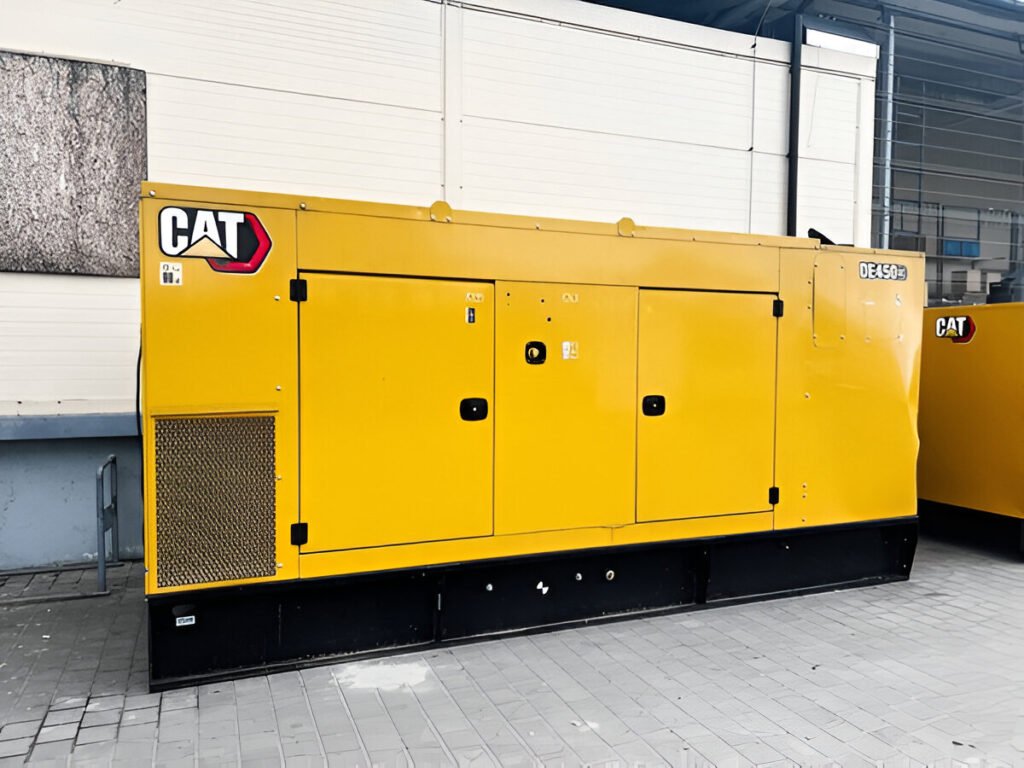
In the intricate world of power generation, diesel generators stand as pillars of reliability, ensuring continuity for everything from critical data centers and hospitals to remote construction sites. Yet, beneath their steadfast hum lies a significant operational cost: fuel. The true power of a diesel generator isn't just in its ability to generate electricity, but in how intelligently its fuel is consumed and managed. Mastering Fuel Efficiency & Management for Diesel Generators isn't merely about cutting costs; it's a strategic imperative that directly impacts your uptime, longevity, environmental footprint, and ultimately, your bottom line. It’s about transforming a significant expense into a finely tuned asset.
At a Glance: Key Takeaways for Smarter Generator Fuel Use
- Optimal Load: Aim for 70-80% load on your generator for peak fuel efficiency and engine health.
- Maintenance Matters: Regular, preventative maintenance (filters, oil, injectors) is crucial to prevent fuel waste.
- Fuel Management Systems (FMS): Invest in FMS for real-time monitoring, theft detection, and comprehensive reporting.
- Quality Fuel: Use clean, high-grade diesel and practice proper storage to prevent contamination and damage.
- Avoid Wet Stacking: Never run generators under very low or no load for extended periods.
- No Refueling While Running: Prioritize safety; always shut down the generator before adding fuel.
- Measure & Track: Monitor kWh per gallon and liters per hour to identify trends and areas for improvement.
The Unseen Costs of Inefficiency: Why Every Drop Counts
Diesel generators, while indispensable, are complex machines governed by the laws of thermodynamics. This means they can never convert 100% of fuel energy into electrical power. A significant portion is lost as heat, friction, exhaust gases, and in cooling systems. The challenge, then, isn't to achieve theoretical perfection, but to minimize these losses in the real world.
Every liter of diesel your generator burns inefficiently isn't just a wasted expense at the pump; it's a cascade of negative effects. It accelerates engine wear, increases emissions, demands more frequent maintenance, and heightens the risk of unexpected downtime. For operations where power is mission-critical – think hospitals, data centers, or emergency services – even a minor hiccup due to poor fuel management can have catastrophic consequences. Understanding where fuel goes, and how to control its journey, is the first step toward substantial savings and unwavering reliability.
Understanding Your Generator's Thirsty Side: Key Factors Affecting Fuel Consumption
Before you can manage fuel, you need to understand what makes your generator consume it the way it does. Several factors conspire to dictate how efficiently that precious diesel is converted into usable electricity.
Load Level is King: Finding the Sweet Spot
One of the most critical determinants of fuel efficiency is the generator's load level. Generators achieve optimal fuel efficiency when operating between 70-80% of their rated capacity.
- Underloading: Operating a generator at a very low load (say, below 30%) dramatically reduces its fuel efficiency. Not only does it consume more fuel per kilowatt-hour produced, but it also leads to a phenomenon called "wet stacking." This occurs when unburnt fuel, soot, and carbon build up in the exhaust system, cylinder liners, and turbocharger. Wet stacking reduces engine life, increases maintenance needs, and can lead to smoky exhaust and eventual engine failure.
- Overloading: While less common for extended periods, consistently overloading a generator stresses the engine, leading to overheating, accelerated wear, and potentially catastrophic failure, again at a lower efficiency than the optimal range.
Strategic load management, often involving load sharing among multiple generators or using temporary load banks, is essential to keep your units purring in their most efficient range.
The M-Word: Meticulous Maintenance
Neglected maintenance is a direct drain on your fuel tank. Think of your generator's engine as a sophisticated athlete; without proper care, its performance suffers.
- Dirty Air Filters: A clogged air filter starves the engine of oxygen, forcing it to work harder and enriching the fuel-air mixture, thus increasing fuel consumption.
- Worn Injectors: Fuel injectors atomize diesel into a fine mist for efficient combustion. Worn, dirty, or faulty injectors spray fuel unevenly, leading to incomplete combustion and wasted fuel.
- Contaminated Oil: Dirty engine oil increases friction, making the engine work harder and consume more fuel. Poor lubrication also accelerates wear on critical components.
- Clogged Fuel Filters: These protect your engine from contaminants, but when they become clogged, they restrict fuel flow, forcing the fuel pump to labor and potentially starving the engine, leading to inefficient operation or even shutdown.
- Cooling System Issues: An improperly cooled engine operates outside its optimal temperature range, impacting efficiency and longevity.
Adhering to strict service intervals for oil, coolant, and filter changes isn't just about reliability; it's a cornerstone of fuel efficiency.
Fuel Quality Isn't Just a Buzzword
The quality of the diesel you put into your generator directly impacts its performance and efficiency.
- Contamination: Water, sediment, and microbial growth (often called "diesel bug") in fuel can clog filters, corrode fuel lines, damage injectors, and lead to incomplete combustion.
- Degradation: Diesel fuel has a shelf life. Over time, it can degrade, losing its ignition quality and stability, especially when stored improperly. Stale fuel can cause rough running, reduced power, and increased consumption.
- Cetane Number: This indicates the ignition quality of diesel fuel. Higher cetane numbers generally lead to shorter ignition delays and better, more complete combustion, enhancing efficiency.
Always source high-quality diesel from reputable suppliers and implement proper fuel storage practices to maintain its integrity.
Environmental Variables: Heat, Altitude, and Humidity
Your generator doesn't operate in a vacuum. External conditions play a significant role:
- High Temperatures: In hot climates, the air density is lower, meaning less oxygen is available for combustion. This can reduce engine power output and efficiency.
- High Altitude: Similar to high temperatures, high altitudes mean thinner air, leading to reduced engine performance and fuel efficiency. Generators typically need to be de-rated for higher altitudes.
- Humidity: Very high humidity can also slightly reduce engine power as water vapor displaces oxygen in the combustion air.
While you can't change the weather, understanding these factors helps in proper generator sizing and management.
Engine Design & Age: The Evolution of Efficiency
Newer diesel generator designs often incorporate advanced technologies like electronic governors, common rail fuel injection systems, and optimized combustion chambers. These innovations lead to superior fuel efficiency compared to older models. While retrofits can improve older units, sometimes the most significant leap in efficiency comes from upgrading to a more modern, inherently efficient design. When it's time to consider new units, you might want to explore portable diesel electric generators with the latest efficiency features to see how far technology has come.
Precision and Prevention: The Power of Advanced Fuel Management Systems (FMS)
Managing fuel efficiently goes beyond routine maintenance; it demands real-time intelligence and proactive control. This is where Advanced Fuel Management Systems (FMS) become indispensable. These integrated solutions, combining hardware (sensors, flow meters, gauges) and sophisticated software, are designed to monitor, control, and optimize every aspect of your generator's fuel usage.
Real-time Visibility & Control: No More Guessing Games
Imagine knowing exactly how much fuel is in each tank, its consumption rate, and if there's any anomaly, all from your desk. FMS makes this a reality:
- Accurate Monitoring: Advanced sensors (ultrasonic, pressure-based, or flow meters) provide precise, real-time readings of fuel levels, consumption rates, and changes over time. This data is critical for accurate planning and preventing unexpected outages.
- Instant Alerts: FMS can be configured to send immediate notifications for critical events – low fuel levels, sudden drops (which could indicate a leak or theft), or unusual consumption patterns. These alerts empower you to act quickly, preventing downtime, environmental hazards, and significant financial losses.
- Remote Management: Cloud integration allows you to monitor fuel usage across multiple generators and sites from anywhere in the world. This is invaluable for distributed operations, reducing the need for costly site visits and enabling centralized control.
Smart Planning & Optimization: Data-Driven Decisions
Beyond immediate alerts, FMS provides the historical data needed for strategic planning:
- Detailed Reporting: Generate comprehensive reports on fuel consumption trends, generator runtime, and efficiency metrics. These reports are invaluable for budgeting, auditing, regulatory compliance, and identifying long-term performance trends.
- Trend Analysis: By analyzing historical data, you can identify patterns of usage, predict future fuel needs, and optimize delivery schedules, minimizing emergency refills and ensuring you only order what you need, when you need it.
Problem Prevention: Beyond the Obvious
FMS helps you dodge a host of common generator pitfalls:
- Contamination & Spoilage: By tracking fuel age and conditions, FMS can flag potential issues before they cause engine damage.
- Waste Reduction: Identify generators that are consuming fuel inefficiently, allowing for targeted maintenance or operational adjustments.
- Theft Deterrence: The ability to monitor sudden fuel drops, often combined with security features like remote fuel flow shut-off or scheduled usage, is a powerful deterrent against fuel theft, a persistent and costly problem for many operations.
Who Needs an FMS? Practical Applications
Advanced Fuel Management Systems are not just for the largest operations; they offer substantial savings for generators of all sizes in diverse applications:
- Hospitals & Data Centers: For mission-critical backup power, FMS ensures generators are always fueled, mitigating the risks of power failure and guaranteeing uptime. It also prevents overstocking and spoilage of expensive fuel.
- Construction Sites: Managing fuel efficiently for temporary rentals and mobile units, often moved between varying loads and frequent relocation, is simplified with FMS.
- Remote Operations: Where fuel deliveries are expensive and logistics are complex, FMS optimizes usage, minimizes waste, and ensures continuous power without unnecessary resupply trips.
- Commercial & Industrial Facilities: For any business relying on generator power for peak shaving, supplemental power, or backup, FMS offers unparalleled visibility and cost control.
Choosing Your FMS: What to Look For
When considering an FMS, look for key features that ensure accuracy, security, and scalability:
- Accurate Sensors: Demand sensors that provide precise, real-time readings. Different technologies (ultrasonic, pressure-based, flow meters) have their strengths; ensure they fit your tank and fuel type.
- Robust Security Features: Look for systems that can detect and alert for theft, and ideally offer remote shut-off or scheduled usage controls.
- Centralized Monitoring: A single, intuitive dashboard to monitor all fuel tanks across multiple generators is crucial for efficiency.
- Automated Reporting: The ability to generate scheduled reports streamlines compliance, tax claims, and operational audits.
- Compatibility: Ensure the system is compatible with your existing generator brands, whether they're from Cat, Cummins, MTU, or others.
- Scalability: Choose a system that can grow with your operations, allowing you to easily add more generators or sites in the future.
Investing in a comprehensive fuel management solution is crucial for any high-demand or mission-critical diesel system, providing the visibility and control necessary for sustained uptime, significant cost efficiency, and a reduced environmental footprint.
Boosting Efficiency on the Ground: Actionable Strategies & Best Practices
Beyond sophisticated systems, hands-on operational strategies and meticulous attention to detail are paramount for optimizing fuel efficiency. These are the practices that translate data into tangible savings.
Load Management Mastery: Keep it in the Zone
As discussed, load level is critical. Here’s how to manage it:
- Right-Sizing Your Generator: The most efficient generator for your operation is one that's correctly sized for its typical load. Avoid oversized generators that will almost always run at low, inefficient loads.
- Load Sharing & Sequencing: If you have multiple generators, implement load sharing (distributing the load evenly) or load sequencing (bringing generators online as demand increases). This ensures each operating generator runs closer to its 70-80% optimal load range.
- Portable Load Banks: Periodically use a load bank to test your generator. Load bank testing forces the generator to operate at various high loads, burning off carbon deposits ("wet stacking") and confirming its real-world fuel efficiency under controlled conditions. This is a critical preventive measure.
Rigorous Routine Maintenance: Your Efficiency Lifeline
A proactive maintenance schedule is non-negotiable for fuel efficiency:
- Adhere to Manufacturer Schedules: Follow the generator manufacturer's recommended intervals for oil changes, coolant flushes, and filter replacements (air, fuel, oil). These schedules are designed to keep the engine operating at peak performance and efficiency.
- Fuel System Inspection: Regularly inspect fuel lines, tanks, and connections for leaks or damage. Clean fuel tanks periodically to remove sediment and prevent microbial growth.
- Injector Health Checks: Periodically check and clean or replace fuel injectors. A dirty or faulty injector is a significant fuel guzzler.
- Cooling System Care: Keep radiators and cooling fins clean. Overheating not only wastes fuel but also damages the engine. Ensure proper coolant levels and quality.
- Exhaust System Inspection: Check for blockages or excessive carbon buildup in the exhaust, which can impede engine breathing and reduce efficiency.
- Control Panel & Sensor Checks: Ensure all sensors (e.g., fuel level, temperature, pressure) are functioning correctly and that the control panel provides accurate readings, which are essential for effective management.
Fuel Sourcing & Storage Smarts: Protecting Your Investment
- Source Quality Diesel: Always buy fuel from reputable suppliers. Look for fuel that meets current industry standards (e.g., ASTM D975 in the US).
- Proper Storage: Store diesel in clean, dry, well-ventilated tanks away from direct sunlight and extreme temperatures. Tanks should be designed to prevent water ingress and have sumps for draining accumulated water and sediment.
- Fuel Stabilizers & Additives: For generators that sit idle for long periods (e.g., standby units), consider using fuel stabilizers and biocide additives to prevent degradation and microbial growth.
- First In, First Out (FIFO): Rotate your fuel stock to ensure older fuel is used before it degrades.
Metering & Monitoring: What Gets Measured Gets Managed
You can't improve what you don't measure. Accurate metering provides the data you need:
- Install Calibrated Meters: Implement fuel flow meters (for consumption) and kilowatt-hour (kWh) meters (for power output) on your generators. This allows you to precisely calculate your "kWh per gallon" or "liters per hour" under various loads.
- Record and Analyze Data: Regularly record meter readings during steady operation. Plot consumption trends over time to identify anomalies or gradual declines in efficiency.
- Consider Retrofits: For older generators, retrofitting electronic governors or more advanced control systems can significantly improve fuel efficiency and performance by precisely matching fuel delivery to load demand.
Expert Consultation & Benchmarking: Don't Go It Alone
Sometimes, a fresh pair of eyes can make all the difference:
- Consult Generator Specialists: Work with generator maintenance experts or efficiency consultants. They can help benchmark your current efficiency, identify specific areas for improvement, and recommend tailored solutions.
- Efficiency Audits: Conduct periodic energy or efficiency audits to get an unbiased assessment of your generator's performance and fuel management practices.
Myth Busting & Safety First: Clearing Up Common Generator Misconceptions
There are many common practices and beliefs surrounding generators that can lead to inefficiency or, worse, dangerous situations. Let's set the record straight.
Can I Refuel While Running? (Absolutely Not)
Misconception: It's okay to top off the fuel tank while the generator is running, especially if it's a critical application.
Reality: Refueling a running diesel generator is extremely dangerous and strictly prohibited.
- Fire Hazard: Diesel fuel, though less volatile than gasoline, can ignite if it spills onto hot engine components or exhaust pipes.
- Sudden Level Changes: For systems with fuel management sensors, refueling a running generator can cause sudden, erratic fuel level readings, potentially disrupting monitoring or triggering false alarms.
- Spill Risk: The vibrations of a running generator increase the risk of spills, which can also lead to environmental contamination or slips and falls.
Always shut down the generator, allow it to cool slightly, use approved containers, ensure proper grounding, and have trained personnel perform refueling.
Is Running Without Load Okay? (No, Hello Wet Stacking!)
Misconception: Running a generator without any electrical load, or at a very low load, is harmless, perhaps even a good way to "exercise" the engine.
Reality: Prolonged operation without load (or under very light load) is detrimental to diesel engines and causes "wet stacking."
- Incomplete Combustion: Without sufficient load, the engine doesn't reach its optimal operating temperature. This leads to incomplete combustion of fuel.
- Carbon Buildup: Unburnt fuel, soot, and carbon deposits accumulate in the combustion chambers, exhaust system, and turbocharger.
- Reduced Engine Life: Wet stacking reduces engine efficiency, causes excessive exhaust smoke, leads to reduced power output, and significantly shortens the lifespan of the engine.
As reiterated, aim for the 70-80% load sweet spot. If a generator must run with a low load, ensure it undergoes regular load bank testing to burn off deposits.
Are Generators Cheaper Than Grid Power? (It's Complicated)
Misconception: Running a generator is always more expensive than grid power.
Reality: In most developed urban areas with stable grids, the cost per kWh from the grid is typically lower than generating it with a diesel generator. However, this comparison often overlooks the total cost of ownership (TCO) and the value of reliability.
- Remote Locations: In remote areas where grid access is nonexistent or unreliable, a fuel-efficient generator can be significantly more cost-effective than extending grid lines or enduring frequent outages.
- Critical Applications: For hospitals, data centers, and other critical infrastructure, the cost of an outage (data loss, patient safety, financial penalties) far outweighs the operational cost of a backup diesel generator. Here, the generator isn't about saving money on daily power, but protecting against catastrophic loss.
- Total Cost of Ownership: A true comparison must include capital recovery (the initial purchase price spread over the generator's lifespan), maintenance expenses, fuel costs, lube oil, and the cost of potential downtime. When factoring in grid instability or the high value of uninterrupted power, fuel-efficient generators prove their worth.
Calculating Your Savings: The Numbers Game
To truly understand the impact of your fuel efficiency efforts, you need to crunch some numbers.
How to Calculate Generator Efficiency
Electrical efficiency measures how much of the fuel's energy is converted into usable electricity.
- Measure Electrical Power Output: Use a kWh meter to track the electrical power your generator produces over a specific period (e.g., kilowatts (kW) or kilowatt-hours (kWh)).
- Measure Fuel Consumption: Use a calibrated fuel flow meter or carefully measure the liters (or gallons) of fuel burned during the same period.
- Convert Fuel to Energy Input: Diesel fuel has a specific energy content (e.g., approximately 38.6 MJ/liter or 138,700 BTU/gallon). Convert your consumed fuel volume into total energy input.
- Calculate Efficiency: Divide the electrical power output (converted to the same energy units) by the fuel energy input.
- Example: If a generator produces 100 kWh of electricity and consumes 30 liters of diesel (approx 1158 MJ) in an hour, its efficiency would be (100 kWh * 3.6 MJ/kWh) / 1158 MJ = 360 MJ / 1158 MJ ≈ 31%.
Modern industrial diesel generators can exceed 40% electrical efficiency under ideal loads. Regularly calculating this helps you compare performance against benchmarks and track improvements.
Calculating Your Cost Per Kilowatt-Hour (kWh)
This metric allows you to directly compare your generator's operational costs to grid tariffs or alternative power sources.
- Total Fuel Cost: Calculate the total cost of fuel consumed over a specific period.
- Total Lube Oil Cost: Factor in the cost of engine oil used and replaced during that period.
- Total Service/Maintenance Cost: Include all maintenance expenses (filters, labor, parts) for the same period.
- Total Energy Produced: Use your kWh meter to determine the total energy produced during that period.
- Calculate Cost per kWh: (Total Fuel Cost + Total Lube Oil Cost + Total Service Cost) / Total Energy Produced (kWh).
By diligently tracking these figures, you can quantify the financial benefits of improved fuel efficiency and make informed decisions about your power strategy.
The Bottom Line: A Strategic Investment in Uptime and Savings
Fuel Efficiency & Management for Diesel Generators isn't a luxury; it's a fundamental pillar of responsible and resilient operations. From the constant vigilance offered by advanced fuel management systems to the painstaking attention to maintenance and load optimization, every effort you make directly translates into tangible benefits. You're not just reducing your fuel bills; you're extending the life of critical equipment, minimizing your environmental footprint, and most importantly, guaranteeing the uninterrupted power that your operations depend on.
In a world where reliable power is non-negotiable, mastering the art and science of diesel generator fuel management is your competitive edge. It’s an investment that pays dividends in both peace of mind and financial savings, ensuring your generators are not just running, but running optimally, today and for years to come. Start implementing these strategies, measure your progress, and watch your operational efficiency soar.