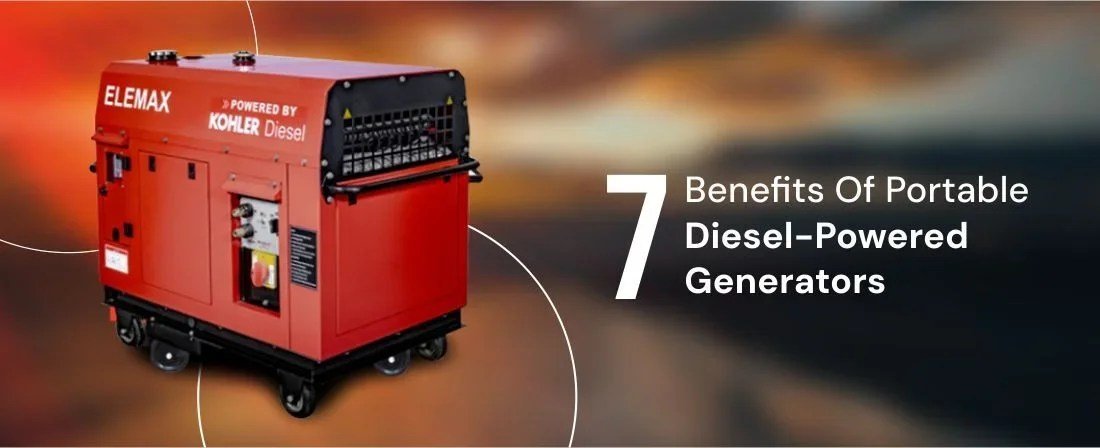
Owning a portable diesel generator means investing in reliable power when you need it most. Whether it’s for emergency backup, powering a remote job site, or enhancing your RV experience, these robust machines are designed for performance. But just like a high-performance vehicle benefits from the right gear, your generator thrives with the right accessories. Equipping yourself with essential accessories for portable diesel generators isn't just about convenience; it's about maximizing safety, efficiency, longevity, and ultimately, your peace of mind.
Think of these add-ons as the supporting cast that ensures your main power player, the generator itself, performs its best in any scenario. From wheels that enhance mobility to intelligent monitoring systems and critical safety devices, selecting the right gear is paramount.
At a Glance: Why Accessories Matter
- Enhanced Safety: Prevents hazards like carbon monoxide poisoning and electrical back-feeding.
- Improved Mobility: Makes moving heavy generators far easier and safer.
- Extended Runtime: Keeps your generator running longer without constant refueling.
- Optimized Performance: Ensures your generator operates efficiently at any altitude or temperature.
- Increased Lifespan: Proper maintenance accessories protect your investment for years.
- Greater Convenience: Remote starts, monitoring, and easy connections simplify operation.
- Warranty Protection: Using official, compatible accessories often prevents voiding your warranty.
The Golden Rule: Official Accessories Are Always Best
Before we dive into the specifics, let's establish a foundational truth: always prioritize official manufacturer accessories for your portable diesel generator. This isn't just a recommendation; it's a critical directive for several reasons:
- Guaranteed Compatibility: Official accessories are engineered to seamlessly integrate with your specific generator model, eliminating guesswork and ensuring proper function.
- Uncompromised Safety: Manufacturer-designed accessories meet rigorous safety standards, reducing the risk of electrical hazards, fuel leaks, or structural failures.
- Performance Assurance: You can trust that official parts won't hinder your generator's output or efficiency.
- Warranty Protection: Using third-party accessories, especially those requiring modifications, can often void your generator's warranty. Stick with the pros to keep your coverage intact.
While third-party options might seem cheaper upfront, the potential costs of incompatibility, safety risks, reduced performance, or a voided warranty far outweigh any initial savings. Your generator is an investment; protect it wisely.
Making Your Power Mobile: Mobility Accessories
Portable generators, especially diesel models, can be heavy. Mobility accessories transform them from stationary powerhouses into flexible workhorses.
Wheel Kits: Glide, Don't Drag
For generators weighing over 110 lbs, a wheel kit is practically non-negotiable. These kits typically include 2-4 sturdy wheels and a folding handle, allowing you to easily roll your generator across various terrains. Most larger units include them, but for others, they're a wise $30-$150 investment. Not only do they save your back, but they also provide better traction and stabilize the generator during transport, making it safer to move around your property or job site.
Lifting and Hanger Kits: Elevate Your Access
Sometimes, horizontal movement isn't enough. For maintenance, transport, or even just clearing floor space, vertical mobility is key. Lifting kits, complete with brackets, chains, and hooks, allow for safe crane or hoist operation. Hanger kits secure the generator to a stable structure, keeping it out of the way. These run $20-$50. Remember, proper installation and secure fastening are absolutely critical to prevent accidents. Never compromise on the structural integrity when lifting heavy machinery.
Connecting the Dots: Power Connection & Extension Gear
Getting power from the generator to your devices requires the right intermediaries. These accessories ensure safe and efficient power delivery.
Adapters: Bridging the Power Gap
Your generator likely has several different outlet types. Adapters allow you to connect these to a wider range of appliances, RVs, or transfer switches. Available in linear or "dog bone" shapes, they can convert amperage (e.g., 20A to 30A) or even voltage types. Common RV adapters, like an L5-30P to TT-30R or L14-30P to 14-50R, cost around $20.
Pro Tip: Always ensure your adapter's rating exceeds the current demands of the device it's powering. And a golden rule for safety and performance: never stack multiple adapters. This can lead to power loss, overheating, and fire risks.
Extension Cords: The Safe Distance Solution
An extension cord isn't just about reach; it's about safety. Your generator must be positioned at least 20 feet from any occupied structure to prevent carbon monoxide poisoning. Heavy-duty, outdoor-rated extension cords (10- to 12-gauge) are a must, ranging from 2 to 100 feet and costing $50-$200.
Safety First:
- Always use cords rated for outdoor, heavy-duty use.
- Avoid placing cords on wet surfaces or in direct sunlight, which can degrade insulation.
- Never pull cords by jerking; switch off equipment before unplugging.
- Inspect cords regularly for cuts, fraying, or damage.
Bonding Plugs (Edison Plugs): The Neutral Grounder
For advanced users running a generator with a "floating neutral" (where the neutral wire is not bonded to the ground frame), a bonding plug establishes this critical neutral-to-ground bond. This prevents certain electrical protection devices, like GFCI outlets, from misinterpreting the floating neutral as an ungrounded, unsafe condition, which could cause them to trip unnecessarily or, worse, fail to protect. These plugs cost up to $20. Regular inspection ensures continued safe operation. For more in-depth information about generators and their components, you might want to explore portable diesel electric generators.
Parallel Kits: Doubling Down on Power
Parallel kits allow you to link two compatible inverter generators, either to double your power output or to provide operational flexibility (e.g., running one for light loads, both for heavy loads). These kits can be simple cables or small boxes with multiple inlets and a single combined output. The power output is limited by the kit's design, not always a simple additive sum. They typically cost $50-$100, depending on the brand and maximum output. Crucially, only use kits specifically compatible with your generator models and always follow manufacturer instructions to avoid damage.
Staying in the Know: Monitoring & Control Essentials
Knowledge is power, especially when it comes to your power source. Monitoring tools keep you informed, while control accessories add convenience and safety.
Meters: Your Generator's Health Dashboard
Even if your generator has a basic display, supplemental meters can offer crucial insights into its performance and maintenance needs.
- Clamp Meters (Voltmeters, Current Testers): These allow you to measure output (amps, voltage, wattage) directly at the sockets and also gauge appliance consumption. This is invaluable for precisely determining starting and running watts, helping you size your generator correctly or manage loads effectively. Basic models start around $50.
- Vibration-activated Hour Meters: A true gem for maintenance scheduling. These track your engine's runtime, a must-have if your generator lacks a built-in hour meter. Knowing exact run hours (e.g., for oil and filter changes) is vital for preventative maintenance. Expect to pay about $15.
- Other Types: Ammeters, Hertz meters, and Kilowatt-hour meters provide more specialized data. Consistent monitoring of these readings can help you diagnose issues before they become major problems.
Transfer Switches: The Safe Connection to Your Home
If you plan to power your home's circuits with a portable generator, a transfer switch is not optional; it's mandatory. This device safely connects your generator to your home's electrical panel, allowing you to switch between utility grid power and generator power. This is critical to prevent dangerous and illegal "back-feeding," which can send electricity back into the grid, endangering utility workers and potentially damaging your generator or home's electrical system.
- Types:
- Manual Transfer Switches: Require physical switching between power sources. Most common for portable generators.
- Automatic Transfer Switches (ATS): Automatically detect a power outage and switch to generator power. However, most portable generators still require manual startup even with an ATS.
- Installation: Transfer switches are considered home equipment. Basic 30-amp switches start at several hundred dollars, and professional installation by a licensed electrician is highly recommended to ensure safety and compliance with local codes. They significantly improve reliability and reduce downtime during outages. When considering such an essential upgrade, it's beneficial to understand all the options for your power needs, including various types of portable diesel electric generators.
Remote Start Kits: Convenience at Your Fingertips
For electric-start generators without a built-in remote start, these kits offer incredible convenience. Imagine starting your generator from inside your warm home during a blizzard, or from your RV without stepping outside. Remote start kits enhance safety in extreme weather, save time, reduce engine wear from repeated manual starts, and can even extend battery life.
They are available from both first-party manufacturers (e.g., Honda, Yamaha) and third parties. Costs range from $200-$500 (excluding installation). A word of caution: Remote start kits are generally recommended for advanced users only, as improper installation may void your generator's warranty unless it's a manufacturer-sanctioned accessory. An alternative is to purchase a generator with built-in remote start capabilities.
Fueling Your Future: Smart Fuel Management
Diesel fuel is the lifeblood of your generator. Managing it properly ensures reliable performance and longevity.
Extended-Run Fuel Tanks/Extended Fuel Systems: Longer Power, Less Refueling
Running out of fuel in the middle of a storm is a headache you can avoid. Extended-run fuel tanks significantly increase your generator's runtime by expanding its fuel capacity.
- Gravity-Fed Tanks: Simpler systems that sit higher than your generator and refill its tank via a hose. They are generally safer and easier to install.
- Pumping Systems: More advanced setups that bypass the original tank, but often require fuel line modifications. Be aware: These modifications are generally not manufacturer-recommended and can void warranties or emission ratings.
Basic extended-run fuel tanks start at least $100 and are a smart investment for emergency preparedness or long workdays, offering much greater convenience and peace of mind.
Fuel Stabilizers: Your Engine's Best Friend
Diesel fuel, especially when stored, can degrade, leading to gum, varnish, and clogs in your generator's carburetor and fuel system. Fuel stabilizers are cheap insurance, preventing this degradation, protecting the engine, and extending your generator's lifespan. They are particularly vital for occasional users or for long-term storage. Stabilizers also help prevent rust and corrosion in the fuel tank.
Usage: Always have fuel stabilizer on hand. Add it directly to your generator's tank, or mix it with fuel, especially before any period of storage. This simple step can save you costly repairs down the line.
The Lifeline of Your Generator: Maintenance Must-Haves
Regular maintenance is the single most important factor in extending your generator's life. These accessories make that maintenance easier and more effective.
Oil and Filter: Engine Health 101
Regular oil and oil filter replacement is absolutely critical for your engine's health. Dirty oil leads to increased friction, wear, and eventually, engine failure.
How-To:
- Turn off the generator and allow it to cool completely.
- Drain the old oil.
- Remove the old oil filter.
- Lubricate the O-ring on your new filter with a little fresh oil.
- Install the new filter and fill the crankcase with fresh, high-quality synthetic motor oil.
- Replace oil filters approximately every 100 hours of operation.
Synthetic oils can significantly improve fuel efficiency and reduce engine wear by up to 50% compared to conventional oils.
Air Filter: Breathe Easy, Perform Better
The air filter prevents dust, dirt, and debris from entering the engine's combustion chamber. A clogged or low-quality filter chokes your engine, decreasing performance, increasing fuel consumption, and causing long-term damage. Regularly clean or replace the air filter element as per your manufacturer's instructions, especially if operating in dusty environments.
Spark Plug: The Ignition Point
While diesel engines primarily rely on compression ignition, some portable diesel generators (especially smaller, multi-fuel units) might use glow plugs or a form of spark ignition. For units that do, the spark plug ignites the fuel-air mixture. A dirty or worn plug can lead to increased fuel consumption and limit power output by up to 30%. Routine cleaning or replacement extends its lifespan and improves engine performance. Use high-quality, OEM-approved replacements that match the correct specifications (electrode material, heat range, gap size) to prevent decreased efficiency or engine failure. It's always a good idea to keep a spare set with the appropriate wrenches in your generator toolkit. Understanding these components is part of fully appreciating the capabilities of a portable diesel electric generator.
Magnetic Oil Dipsticks: Trapping Metal Scraps
Costing a mere $15-$20, a magnetic oil dipstick is a simple yet effective upgrade. It uses a strong magnet to attract and hold tiny metal shavings that naturally occur from engine wear, preventing them from recirculating in the oil and causing further damage. This is especially beneficial for smaller engines that might not have an oil filter. Just ensure you get one with the correct thread size for your generator.
Maintenance Kits: The All-in-One Solution
Maintenance kits are pre-packaged sets containing essential items like air filters, oil filters, spark plugs, and sometimes even a bottle of oil or cleaning tools. Buying a kit from your generator's manufacturer can save you shopping time and ensures compatibility. However, they can be more expensive than purchasing individual components, and you might not use all parts evenly. They are highly recommended for first-time buyers to get started, but subsequent resupply can be done by purchasing individual parts unless the kit remains more cost-effective.
Shielding Your Investment: Protection & Storage
Protecting your generator from the elements, both during operation and storage, is crucial for its longevity and reliability.
Storage Covers: Dust-Proofing Your Downtime
When your generator isn't in use, a storage cover protects it from dust, debris, and minor bumps. Model-specific covers offer the best fit and protection, typically costing $10-$30. Important: These covers are generally not designed for use during generator operation or for extended outdoor exposure to harsh weather, as they can trap heat and restrict airflow.
Storm Covers (Running Covers): Power Through the Rain
If you need to run your generator in rain, snow, or high winds, a heavy-duty storm cover (also known as a running cover) is an absolute must. These covers are water-resistant or waterproof and feature a sturdy frame or "backbone" to resist wind. They are designed to allow safe operation by maintaining proper ventilation and exhaust routing while shielding electrical outlets from moisture. Highly recommended for anyone who anticipates running their generator in inclement weather, they typically cost $150-$200. Investing in one of these means you can keep the lights on, even when the weather turns nasty, a critical feature for many owners of dependable portable diesel electric generators.
Tackling Tough Conditions: Extreme Weather Preparedness
For those in areas with extreme climates, specific accessories can keep your generator running smoothly when temperatures plummet or altitudes soar.
Cold Weather Kits: Defeating the Deep Freeze
In freezing temperatures, condensed water can freeze in the crankcase breather tube, potentially leading to oil leaks and engine damage. Cold weather kits address this by incorporating a heating coil or other warming elements. Recommended for use in freezing weather, these kits can often remain installed year-round and cost $100-$300. They are a small price to pay to ensure your generator starts and runs reliably when you need it most in winter conditions.
Altitude Kits: Breathing Easier at High Elevations
If you live or regularly operate your generator above 2,000 feet, an altitude kit is essential. These kits contain specialized carburetor jets that adjust the fuel-to-air mixture to compensate for thinner air at high elevations. Without one, your generator will run "rich," losing power and potentially fouling the spark plug. A critical warning: Modifying the carburetor may void your warranty. Furthermore, using an incorrect jet for lower altitudes can cause severe engine damage by making it run too lean. These specialized kits typically cost only a few dollars, but correct application is key.
What NOT to Touch: Accessories to Avoid
Just as there are essential accessories, there are also items you should steer clear of. These "accessories" are often dangerous, illegal, or detrimental to your generator's performance and longevity.
- Fuel Conversion Kits: Third-party kits that claim to allow your generator to run on alternative fuels (like propane or natural gas). These are a major no-go. They violate warranties, often contravene emission regulations, significantly decrease performance, and can cause long-term damage to your diesel engine. Stick to the fuel your generator was designed for.
- Silencers/Mufflers (Aftermarket): Attempting to modify your generator's exhaust system with aftermarket silencers or mufflers is highly risky. It requires exhaust modification, can restrict or block exhaust flow if done incorrectly, and will almost certainly void your warranty. If noise is a concern, consider purchasing a quieter inverter generator or investing in a properly designed soundproof enclosure.
- Exhaust Extensions (for Indoor Use): This is perhaps the most dangerous and unacceptable "accessory." Attempting to run a generator indoors by extending its exhaust fumes outside is an absolute and potentially fatal mistake. Generators must ALWAYS be run outdoors, a minimum of 20 feet from any occupied building, with the exhaust pointed away from windows and doors. Carbon monoxide is an odorless, colorless, deadly gas. No extension kit can safely mitigate this risk. Your life, and the lives of those around you, depend on adhering to this critical safety rule.
The Power of Preparedness: Your Generator's Best Life
Equipping your portable diesel generator with the right accessories isn't just about accumulating more gear; it's about smart preparedness. Each essential item contributes to a safer, more efficient, and longer-lasting power solution. By choosing manufacturer-approved accessories, understanding their purpose, and prioritizing safety, you're not just buying tools—you're investing in reliable power and peace of mind for years to come.
Take the time to assess your specific needs, operating environment, and budget, then choose the accessories that will truly enhance your generator experience. Your dependable diesel workhorse will thank you for it.