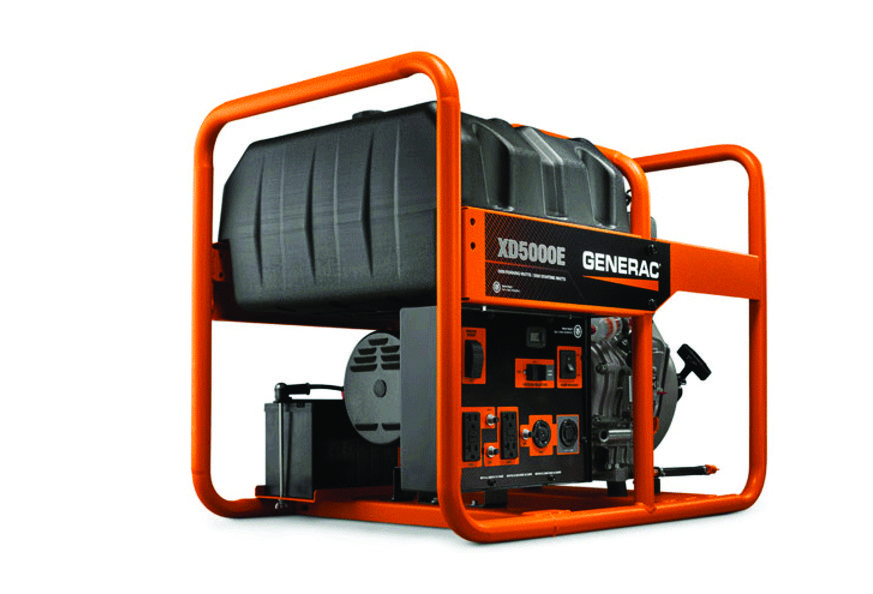
Imagine the lights flicker, then plunge your home into darkness. Or you're miles from the nearest outlet, deep into a construction project or an outdoor event, and your tools and equipment suddenly go silent. In these critical moments, reliable power isn't a luxury; it's a necessity. This is precisely where the robust and dependable world of Applications & Use Cases for Portable Diesel Power shines, offering a sturdy lifeline of electricity wherever and whenever the grid falls short or simply isn't available.
Portable diesel generators are more than just backup power; they are versatile workhorses engineered to deliver consistent, efficient energy across a spectrum of demanding scenarios. Whether you're a homeowner preparing for the unexpected, a contractor powering remote job sites, or an event organizer ensuring a seamless experience, understanding their capabilities and how to best deploy them can be a game-changer.
At a Glance: Why Portable Diesel Power Matters
- Unwavering Reliability: Built tough for heavy-duty, continuous operation.
- Superior Fuel Efficiency: Get more hours of power per gallon of diesel compared to gasoline.
- High Power Output: Handles demanding tools and multiple appliances with ease, including those with high surge requirements.
- Enhanced Safety: Diesel fuel is less volatile than gasoline, and modern units boast critical safety features.
- Broad Versatility: Perfect for everything from home emergencies to rugged industrial applications.
- Strategic Investment: Lower operational and maintenance costs over the lifespan often offset a higher initial price.
The Diesel Advantage: Built for Endurance
At its core, a portable diesel generator is a mobile power station that turns the chemical energy of diesel fuel into electrical energy. Unlike gasoline engines that rely on spark plugs for ignition, diesel engines use compression ignition, generating immense pressure and heat to ignite the fuel. This fundamental difference contributes to their remarkable durability and efficiency. They are designed with fewer delicate components and robust construction, ready to withstand the rigors of heavy service with minimal fuss.
The Science Behind the Power
A diesel generator set comprises several key components working in harmony:
- Diesel Engine: This is the heart, converting fuel into mechanical energy. Modern engines are highly efficient (40-50% thermal efficiency), incorporating features like advanced fuel injection and exhaust after-treatment.
- Alternator: The brain of the operation, it converts the engine's mechanical energy into usable electricity through electromagnetic induction, ensuring consistent power output (e.g., 230V/50Hz, 480V/60Hz).
- Control Panel: Your command center. These microprocessor-based units monitor operations, manage start/stop sequences, diagnose faults, and activate protection systems. Many even offer remote monitoring.
- Fuel System: Beyond just a tank, this includes lines and high-efficiency filters, ensuring a steady, clean supply of diesel. Industrial units often feature tanks designed for 8-24 hours of runtime.
- Cooling System: Utilizing radiators and fans, this system is vital for regulating engine temperature and preventing overheating during prolonged use.
- Exhaust System: Crucial for managing combustion by-products, reducing noise, and meeting emissions standards, often incorporating advanced Selective Catalytic Reduction (SCR) systems and Diesel Particulate Filters (DPFs).
- Battery and Starting System: Provides the initial jolt to get the engine running, frequently integrated with automatic start-stop functions.
- Base Frame and Enclosure: Not just structural support, but also a vital component for vibration isolation and environmental protection. Acoustic enclosures can significantly reduce noise levels, often to around 70 dB.
This integrated design ensures that when you need power, you get reliable, regulated electricity, even in the most demanding conditions.
Real-World Applications: Where Portable Diesel Generators Shine
The true value of portable diesel power lies in its adaptability across a vast range of scenarios. From the occasional power outage to continuous operations in remote locales, these generators prove their worth daily.
1. Home Emergencies & Backup Power
When severe weather strikes or an aging grid falters, a portable diesel generator becomes your household's best friend. These units can keep your essential appliances running, preventing food spoilage, maintaining comfort, and ensuring communication.
- Keeping the Lights On: Illuminating your home during darkness.
- Refrigeration & Freezers: Protecting your food investment.
- Heating & Cooling: Powering furnaces or air conditioners to maintain comfortable temperatures.
- Communication & Entertainment: Charging phones, powering routers, and keeping TVs running for news and diversion.
- Medical Equipment: Crucially, ensuring life-sustaining medical devices like oxygen concentrators or CPAP machines remain operational.
Many homeowners configure their diesel generators with an Automatic Transfer Switch (ATS). This smart device automatically detects a power outage, signals the generator to start, and seamlessly switches your home's electrical load to generator power—often within 10 seconds—then switches back and shuts down the generator when grid power returns. This ensures minimal disruption and maximum peace of mind.
2. Powering Rugged Construction & Outdoor Work Sites
Construction and field operations often take place far from grid access. Here, portable diesel generators are not just convenient; they are indispensable for productivity and safety.
- Heavy-Duty Tools: Powering saws, drills, grinders, welders, and air compressors.
- Site Lighting: Ensuring visibility and safety during early mornings, evenings, or in dimly lit areas.
- Machinery & Equipment: Running concrete mixers, temporary offices, and charging stations for cordless tools.
- Mobile Workshops: Providing electricity for specialized equipment in field repair vehicles or trailers.
Their robust build and fuel efficiency mean these generators can endure harsh conditions and long shifts, minimizing downtime for refueling and maintenance. U.S. businesses lose an estimated $150 billion annually due to power reliability issues, highlighting why construction and industrial sectors heavily rely on the uninterrupted power diesel generators provide.
3. Events, Festivals, & Field Operations
From outdoor concerts to remote research stations, temporary events and field operations demand reliable, flexible power. Portable diesel units are a go-to solution for their ability to handle diverse loads and extended runtimes.
- Audio & Lighting: Powering sound systems, stage lighting, and visual displays for entertainment.
- Vendor Booths: Providing electricity for food trucks, concession stands, and retail kiosks.
- Temporary Offices & Facilities: Running computers, communication equipment, and HVAC for event staff or medical tents.
- Emergency Response: Supplying critical power for command centers, mobile hospitals, and communication hubs during disaster relief efforts.
For these applications, the ability to refuel less frequently is a huge advantage, allowing event organizers and field teams to focus on their primary tasks without constant power concerns.
4. Mobile & Rural Needs: RVs, Stalls, & Off-Grid Living
For those who live, work, or play on the move, or in areas untouched by traditional power lines, portable diesel generators offer energy independence.
- Recreational Vehicles (RVs): Powering appliances, air conditioning, and electronics for comfortable extended trips.
- Seasonal Stalls & Farmers Markets: Providing electricity for lighting, payment systems, and food preparation equipment.
- Job Trailers: Ensuring tools, heating, and cooling are available in mobile offices or workshops.
- Agriculture: Powering irrigation pumps, grain dryers, and various farming equipment in remote fields.
These units provide a sense of self-sufficiency, enabling operations and comfort far beyond the reach of the nearest power outlet. For a deeper dive into the world of these essential machines, you might want to Learn about portable diesel generators.
Choosing Your Power Partner: Sizing, Features, and Fuel Efficiency
Selecting the right portable diesel generator isn't a one-size-fits-all decision. It requires careful consideration of your specific needs to ensure you get adequate power without overspending or underpowering.
Step-by-Step Generator Sizing
- List All Essential Devices: Start by identifying every appliance, tool, or piece of equipment you plan to power. Think critically: refrigerator, lights, well pump, medical devices, computers, power tools.
- Calculate Running & Starting Wattage: For each item, note its continuous "running wattage" and its higher "peak starting wattage" (often 2-3 times the running wattage for motors). The generator needs to handle both.
- Sum Your Needs: Add up the running wattages of all devices you expect to use simultaneously. Then, identify the single highest starting wattage among your essential devices. Add this highest starting wattage to your total running wattage. This sum is your theoretical minimum power requirement.
- Add a Safety Buffer: Always build in a 20-30% load cushion above your estimated demand. This buffer prevents overloading, ensures efficient operation, and accounts for future needs.
- Match to Generator Ratings: Compare your buffered total to the continuous (running) and surge (peak) power ratings of generators. Residential needs typically range from 2,000-7,500W for essential appliances, up to 10,000-20,000W for whole-home backup. Industrial or commercial operations can easily require 50 kW to over 500 kW. Avoid unnecessarily oversized units, as they can run inefficiently at low loads, wasting fuel. Optimal efficiency for a diesel generator is usually between 50-75% of its rated capacity.
Key Features to Prioritize
Beyond wattage, several features enhance usability, safety, and longevity:
- Fuel Tank Size: A larger tank means less frequent refueling, which is critical for long outages or continuous work. Industrial units often boast tanks for several days of operation.
- Ease of Transport: Look for models with built-in wheels, sturdy ergonomic handles, and a manageable weight for true portability.
- Starting Systems: An electric starter offers convenience, especially in cold weather. A manual pull-start provides a reliable backup.
- Safe Power Output & Protection: Essential features include automatic shutdown sensors for low oil levels, overheating, or voltage fluctuations. These protect both the generator and your connected appliances.
- Noise Levels: While diesel generators can be louder than gasoline models, many portable units come with acoustic enclosures that can reduce noise to comfortable levels (e.g., around 70 dB). This is a significant factor for residential use or events.
- Brand Reputation & Support: Choose trusted brands known for reliability, readily available parts, and responsive customer service.
Maximizing Fuel Efficiency
Diesel generators are inherently fuel-efficient, often converting fuel to power more effectively than gasoline engines (around 45% efficiency compared to gasoline's ~30%). However, several factors can further optimize their fuel consumption:
- Load Management: Operating your generator between 50-75% of its rated capacity is ideal for fuel efficiency. Underloading (running at very low capacity) or overloading will consume more fuel per kWh produced.
- Engine Technology: Advanced engine technologies, like those found in inverter generators (though less common for portable diesel), can adjust engine speed to match the load, saving up to 40% on fuel.
- Regular Maintenance: A well-maintained generator is an efficient generator. Regular checks and replacements of engine oil, air filters, and fuel filters are crucial.
- Correct Sizing: As mentioned, a correctly sized unit prevents wasted fuel from oversizing and strain from undersizing.
- Environmental Conditions: Altitude and extreme temperatures can slightly affect fuel efficiency, though modern diesel engines are designed to compensate effectively.
Maintenance and Safety: Keeping Your Power Source Running
A portable diesel generator is an investment that requires proper care and diligent safety practices to ensure longevity and prevent accidents.
Essential Maintenance Tips
Regular maintenance not only prolongs the life of your generator but also ensures it's ready when you need it most.
- Oil & Filters: Regularly check and replace engine oil and oil filters (e.g., every 100 operating hours or as per manufacturer guidelines). This is the lifeblood of your engine.
- Air Filters: Inspect and clean or replace air filters frequently, especially in dusty environments, to ensure proper airflow and prevent engine strain.
- Fuel Management: Store diesel fuel properly in approved containers. Consider using fuel stabilizers if storing for extended periods, and regularly inspect fuel lines for leaks or cracks.
- Test Runs: Run your generator occasionally (e.g., monthly) under a small load for 20-30 minutes. This lubricates components, circulates fluids, and keeps the battery charged, ensuring it's ready for action.
- General Inspection: Routinely check for loose wiring, signs of wear, leaks, or any damage. Keep the unit clean and free of debris.
Non-Negotiable Safety Guidelines
Operating a generator safely is paramount to prevent carbon monoxide poisoning, electrical shock, and fire hazards.
- Outdoor Operation Only: ALWAYS operate your generator outdoors in a well-ventilated area, at least 10-20 feet away from windows, doors, and vents of your home or other buildings. This prevents dangerous carbon monoxide (CO) gas from accumulating indoors.
- Stable, Dry Surface: Place the generator on a level, dry surface where it won't be exposed to rain, snow, or excessive moisture.
- Cool Before Refueling: Turn off the generator and allow it to cool completely before attempting to refuel. Diesel fuel, while less volatile than gasoline, is still flammable.
- Use Proper Cords: Only use heavy-duty, outdoor-rated extension cords that are correctly sized for the load. Never run cords under rugs or through doorways where they could be pinched or damaged. Consider installing a transfer switch for safe home backup.
- GFCI Protection: Ensure your generator's outlets (if available) have Ground Fault Circuit Interrupter (GFCI) protection, or use GFCI-protected cords, especially when operating in damp conditions.
- Carbon Monoxide Alarms: Install battery-operated CO alarms inside your home, even when operating a generator outdoors. CO is colorless and odorless, making it deadly without detection.
- Fire Extinguisher: Keep an appropriate fire extinguisher (rated for electrical fires) nearby.
- Read the Manual: Always read and follow the specific safety and operating instructions provided in your generator's owner's manual.
Beyond the Portable: Diesel Generators in Commercial & Industrial Settings
While this article focuses on portable units, it's worth noting that the advantages of diesel scale up dramatically for commercial and industrial applications. These larger generators are critical for energy security in sectors where downtime is simply not an option.
- Hospitals & Healthcare: Ensuring life-saving medical equipment, operating rooms, and critical patient care continue uninterrupted during power outages. Hospitals using standby generators avoided an average of 45 hours of critical downtime annually.
- Data Centers: Protecting invaluable data and maintaining continuous network operations, as even a brief outage can have massive financial and operational repercussions.
- Manufacturing Plants: Providing backup or even primary power for continuous production lines, preventing costly stoppages and material waste.
- Telecommunications: Keeping cell towers, communication hubs, and emergency services operational to maintain vital network connectivity.
- Mining & Remote Operations: Supplying base-load power where grid access is nonexistent or unreliable, fueling entire off-grid communities and industrial sites.
Modern commercial diesel generators boast impressive advancements, including improved fuel efficiency (up to 40% for some models), dual-fuel capabilities (reducing operational costs by 20-30% by running on both diesel and natural gas), and smart management systems offering real-time monitoring and predictive maintenance with up to 90% accuracy.
A Balanced View: Environmental Considerations
It's important to acknowledge that portable diesel generators, like all fossil fuel-powered engines, have an environmental footprint. They emit greenhouse gases (CO2, nitrogen oxides, particulate matter) which contribute to air pollution and climate change.
However, modern diesel engines are significantly cleaner than their predecessors, thanks to stringent emissions standards and technologies like DPFs and SCR systems. Manufacturers are continuously innovating to reduce environmental impact. For consumers and businesses making purchasing decisions, it involves balancing the immediate need for reliable, high-output power with long-term sustainability goals. Exploring hybrid systems or complementing diesel power with renewable sources (like solar) where feasible can offer a more environmentally conscious solution for continuous or long-term power needs.
Your Power, Your Choice: Taking the Next Step
Deciding on a portable diesel generator is about empowering yourself with reliable energy. By understanding the core applications, key benefits, sizing considerations, and essential safety protocols, you're not just buying a machine; you're investing in peace of mind, productivity, and resilience.
Whether it's for protecting your home during a storm, fueling a remote job site, or powering a memorable event, the right portable diesel generator can transform potential challenges into seamless operations. Take the time to assess your unique power needs, research reputable brands, and prioritize safety features. With the right preparation, you'll be ready to tackle any power challenge that comes your way.